
Conservation and the Role of Hospitality
A hotel’s setting is often part of what guests come to experience. Beaches, forests, wildlife, and clean waterways make a destination memorable. Hospitality businesses therefore have a practical reason to help protect the places around them.
Tourism also puts pressure on those places. The UN Environment Programme identifies growing use of water, energy, land, and materials alongside tourism’s waste and environmental impacts. For a hotel, conservation begins with daily decisions: finding and fixing water leaks, reducing food waste, choosing efficient equipment, and caring for the land without damaging local habitat.
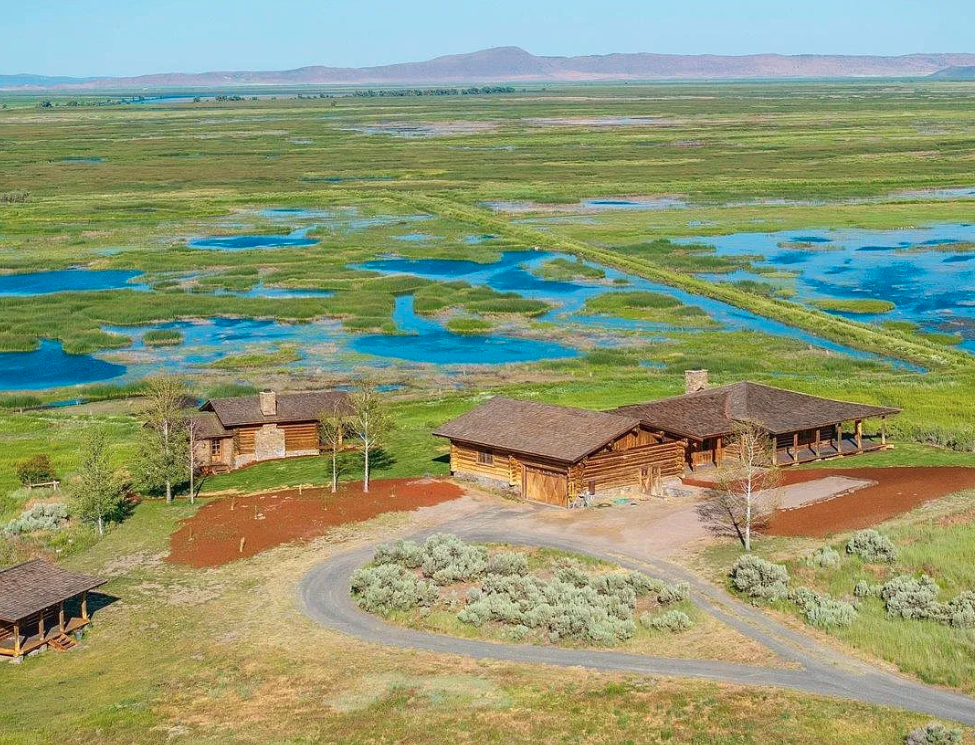
The role extends beyond the property line. Hotels can buy from local producers, guide guests toward responsible activities, and support organizations that restore or protect nearby natural areas. The Global Sustainable Tourism Council’s hotel standard treats environmental protection and benefits to the local community as connected parts of responsible hospitality.
Conservation works best when it is specific to the destination. A coastal hotel might help protect dunes or reduce runoff; a mountain lodge might focus on trails and wildlife habitat. Guests may arrive for the scenery, but hospitality businesses and their communities share a stake in ensuring it remains worth visiting.